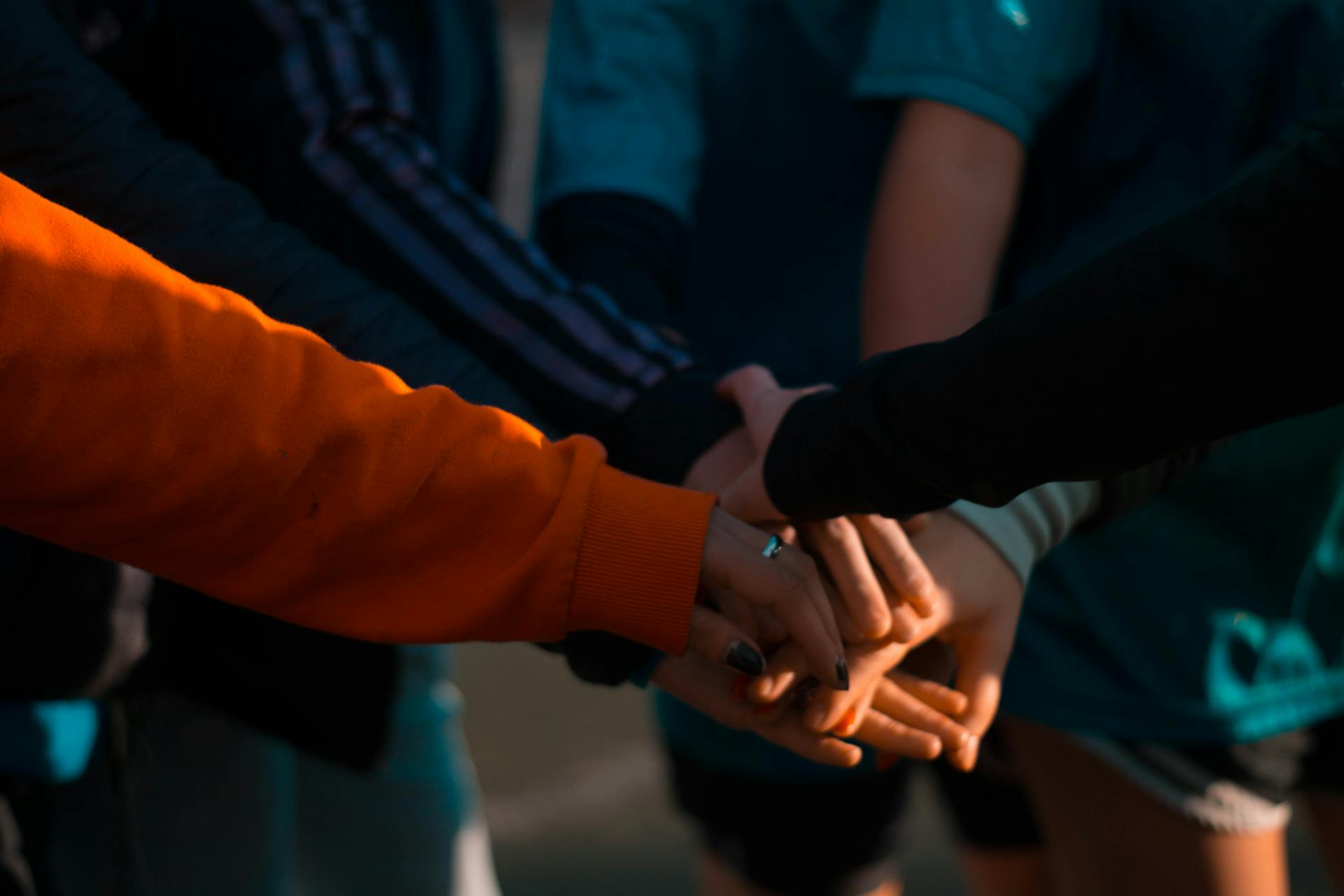
Community Support in Grief: How Communities Heal Together
February 26, 2026
Understanding the many forms of community in times of loss
Grief can feel isolating, but community support in grief plays a vital role in helping families and friends navigate loss. From small family circles to entire neighborhoods, the ways communities come together can provide comfort, healing, and connection during difficult times. Sometimes, community is the whole city, coming together in shared remembrance. Other times, it is a small group of friends, family, or neighbours offering quiet support. What matters most is that no one has to navigate grief alone.
At Cypress Funeral & Cremation Services, we witness every day how community can transform mourning into connection, healing, and remembrance. The support of others doesn’t erase grief, but it can provide comfort, understanding, and the shared strength needed to navigate life after loss.
The many faces of community
Community is not one-size-fits-all. For some, it is a city coming together in solidarity after a tragic event. For others, it is a network of family and friends offering daily gestures of care. Sometimes, community is found in support groups, clubs, workplaces, or even online spaces where people share experiences and encouragement.
The essential element is presence. Being seen, heard, and supported matters more than words. Even small acts (a shared meal, a listening ear, or a simple note) can ripple through a grieving family or individual, reminding them that they are not alone.
Collective grief and public remembrance
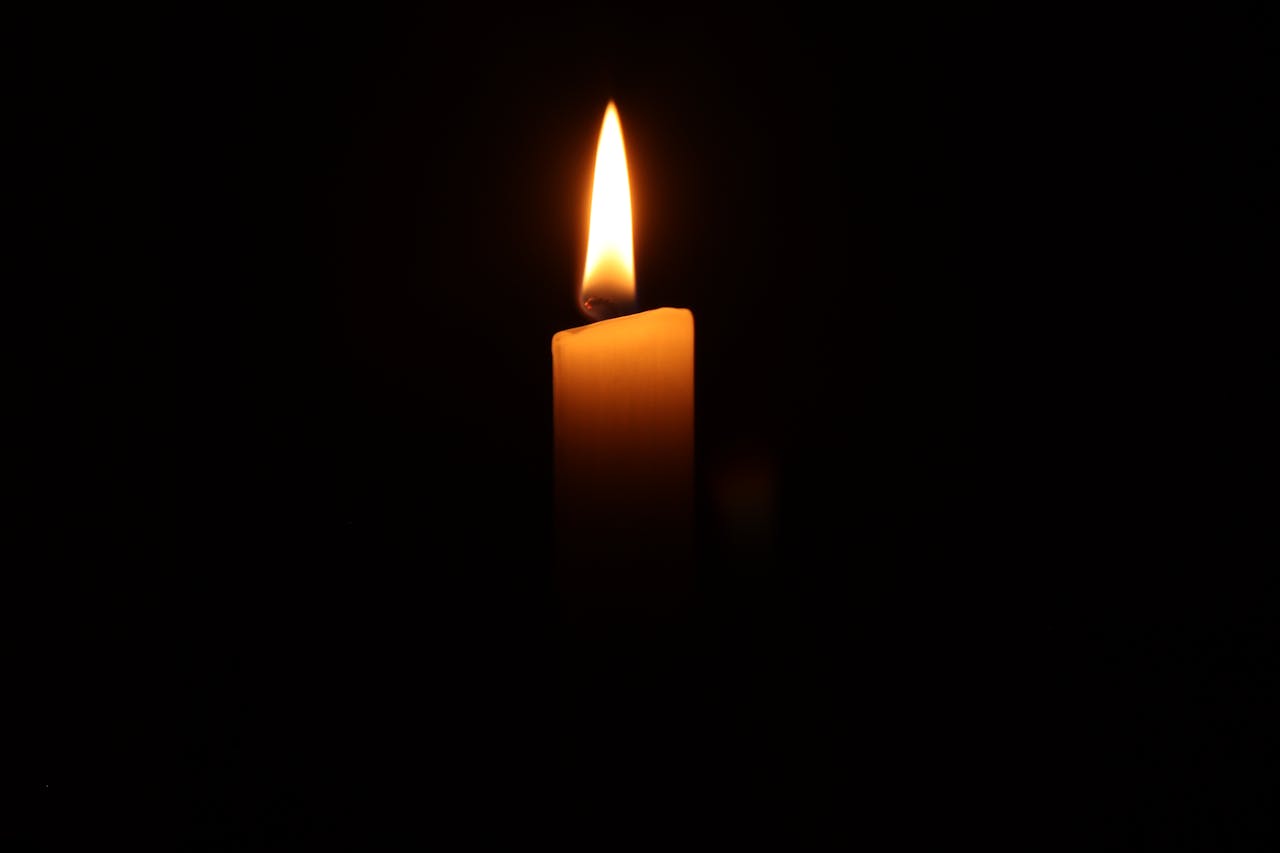
When an entire city or community experiences loss, the impact can be profound. Tragedies — while difficult to speak of — highlight the power of collective mourning. Communities often gather in public spaces for moments of remembrance, such as the candlelight vigil held in Tumbler Ridge earlier this month. These gatherings allow people to express sorrow, honour lives lost, and find comfort in shared experience. They provide a safe environment where emotions are acknowledged, stories are shared, and healing begins together. Even when the details of a tragic event are difficult to face, the act of coming together itself is powerful. It fosters resilience and connection, demonstrating that while grief is personal, it does not have to be solitary.
Family, friends, and the intimate circle
Not all community is public. For many, it is smaller, quieter, and deeply personal. Family dinners, group texts, phone calls, and daily check-ins can all create a network of support that sustains someone through grief. In these private circles, people can share memories, express sadness freely, or simply be together without the expectation of formal rituals.
Rituals and gatherings as acts of community
Rituals — from traditional funerals to celebrations of life — are central to how communities process grief. They provide structure, meaning, and opportunity to honour those who have passed. Celebrations of life, in particular, allow personalization and creativity, reflecting the values, personality, and wishes of the person being remembered.
Memorials can take many forms:
- Outdoor ceremonies in parks, gardens, or in your own backyard
- Memory walks or runs
- Candlelight vigils
- Community meetings or gatherings
- Family storytelling circles
- Online memorials for those far away
Each of these gatherings serves a shared purpose: connection, remembrance, and mutual support.
The role of support networks
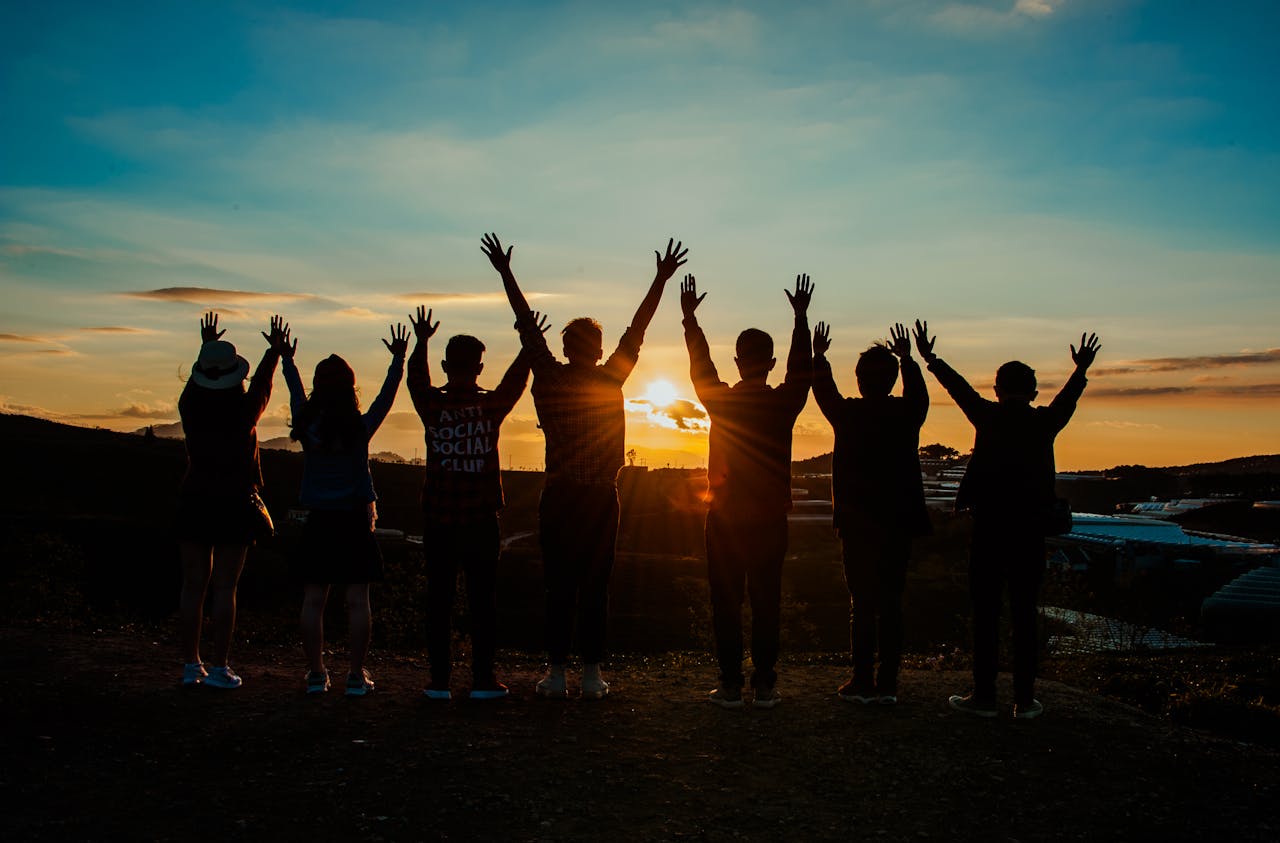
Beyond formal rituals, communities offer support through networks that provide emotional and practical guidance. Local organizations, faith groups, social clubs, and funeral homes in Vernon, Kamloops, Armstrong, and Lake Country can offer support and guidance to individuals and families. Even simple connections create a safety net and remind families that their grief is recognized, validated, and shared — easing the burden while nurturing resilience.
How communities can strengthen healing
Research shows that social support is one of the strongest predictors of healthy grieving. Feeling isolated intensifies sorrow, whereas being part of a community promotes emotional recovery. Communities help by offering:
- Presence – Being physically or emotionally available during difficult times.
- Listening – Providing space for stories, memories, and feelings without judgment.
- Practical support – Assisting with daily tasks that can feel overwhelming during grief.
- Ritual and tradition – Creating structured opportunities for remembrance.
- Flexibility – Understanding that grief is non-linear and that everyone experiences it differently.
These elements, whether in a family home, neighbourhood, or city-wide gathering, form the backbone of communal healing.
Community means different things to everyone
It is important to recognize that community is personal. For one person, it may be an entire city coming together for a vigil; for another, it may be a single friend who sits quietly with them on difficult days. Some find connection through shared hobbies, support groups, or online forums. Others discover comfort in spiritual or religious communities.
The key is intentionality. A supportive community is not defined by size, visibility, or formality. It is defined by empathy, presence, and shared understanding.
Looking forward with compassion
At Cypress Funeral & Cremation Services, our role extends beyond providing cremation services or funeral arrangements. We strive to be a source of support, guidance, and connection for families navigating grief. Whether through planning a meaningful memorial, offering resources for emotional support, or guiding families toward environmentally conscious remembrance options, we help communities honour life and memory with compassion and dignity.
Loss is never easy. But through shared rituals, supportive networks, and collective presence, communities remind us that grief can be met together. Coming together in grief does not erase the sorrow, but it softens it, giving families space to heal, remember, and continue forward while honouring those who have passed.
Final thoughts
Grief is a shared human experience, yet it is experienced differently by everyone. Community — whether large or small, public or intimate — offers the support, presence, and compassion that makes navigating loss possible. Celebrations of life, memorials, or quiet acts of care all remind us that no one has to walk through grief alone.
Whether it’s a family gathering, a circle of friends, a neighbourhood, or an entire city, community provides a framework for remembrance and healing. It allows stories to be shared, memories to live on, and love to continue even after loss.
In every form, community matters. It helps families honour life, find resilience, and embrace the support that is available — today, tomorrow, and for years to come.